Leaderboard




Popular Content
Showing content with the highest reputation since 06/15/2025 in all areas
-
Hi All I have had the Level on several jobs now. It performs really well. This is still a prototype. The final version will be shorter by an inch or so, and have WiFi so you can do software updates without sending it in. Plus more user inputs. Super simple to use, and much easier to set up than the Wave. The balance is not as critical. For example, this last show, I took the prompter and receiver off mid show and just kept going after just a regular Steadicam balance. This would have required a total rebalance on the Wave. There is still no manual lock, but this was not an issue because there is a pause button that locks the level in place. Really quick to do, as in this past commercial, I had to do some off angle shots as well. Just one button, press and go. Very low profile and discreet as the footprint is much smaller than the Wave. Although it only has 6° of adjustment, because it has a low center of gravity, it actually represents a big correction of horizontal control. You can see this when turned on and the level powers up. The locking screw is plastic but solid. Feels a little cheap. There are rubber footings that aid in keeping your camera plate from sliding at full tilt. The return to level after a full tilt is smooth. Looking forward to the final when mine gets switched out. One concern is how weatherized it is. You can see the inner circuit board between the level plates. I believe this too will be addressed in the final version. Looks to be end of this year. Cheers Taj2 points
-
New 2nd battery mount for Axis A customer asked for this, so I made a secure, low-profile battery holder for him. One piece clips on and bolts directly to the bottom of the Axis. The 2nd piece holds the V-mount (or AB mount, not shown). Use the D-tap for power. Sold with, or without, the PV-2 or AB Gold mount. Note the heavy duty protector for the V-mount battery release button. Price without the PV-2 or QR-GOLD plate $60. With either plate, add $130. Price includes shipping in USA, international extra. jholway@comcast.net2 points
-
With today’s Lithium batteries you have you two basic cell types, Polymer and Ion. Both deliver the high current you need for the HD and film cameras we run. They both have similar performance and temperature curves. I have owned, tested and used Lithium packs for over 12 years and both cell types have just kept improving and work well. Extreme hot and cold you should be a bit more cautious. Engineers may say by the numbers that Ion cells can deliver a higher current at startup due to lower internal cell impendence, but with the current capability of both types of cells I find it’s indistinguishable between battery packs with the wattage we run and the amount of current batteries can provide. 90, 120, 160, 190, 235 watt hr battery pack being the most common standard sizes. Using a larger watt hr pack will extend the life of that battery pack under similar current loads since they deplete at the same rate. So if you are buying a 90 watt battery pack Vs. a 150 watt pack and putting an 8 amp constant load on it for example, the 90 watt pack will of course reach the end of its useful battery life sooner over the life of the battery Vs. 150 watt hr pack that may cost $40. more and weight additionally 4 ounces more but may give you 6 months longer run time over its battery life in addition to its initial longer run times. I have gone from three 90’s watt packs 10+ years ago, to two- 160’s 5 years ago, and to two 235watt packs today. Buy the way two 235 watt packs weight 1-2 ounces less than three A/B 90 watt hr packs with a total increase in capacity of about 74%. Additionally you will notice that some resellers are selling 14.4 Vs. 14.8 nominal voltage packs that allows them to give you a 10-15 watt higher output rating which is negligible (a numbers game) to steadicam, ONLY if you equipment can handle the higher voltage output of these packs. It only gives you an appearance of higher capacity which operators may think they are getting a longer run times, they are not. Because the camera will run below the batteries low voltage rating. Listed are some well known performance factors by battery manufactures but I feel sometimes misunderstood by the end user. 1) First both types of Lithium cells and will deplete at a very similar rate when used similarly. 2) Both cell types will lose performance and deplete over time whether or not they are used. 3) Both cell types will typically lose 20-30% of the current load capacity after 18-20 months or 100 cycles when high current loading a battery pack, slightly more cycles when not. High current loads are considered power draws that are greater than 60% of the battery wattage rating. Or just about every battery we use on a sled under 150 watts if you run two batteries and power the camera. 4) Different battery wattages have different thermal fuse ratings. Typically between 10.25- 15 amps. This is important as you draw down the battery voltage when using it and your battery ages. The lower the voltage output of the battery the high the current (Amp) draw it has on your battery pack. So as your battery ages it pulls more current (amperage) at lower voltages to run that camera, you will reach that thermal fuse limit sooner. 5) That most all reputable battery suppliers in our market are using reputable cell manufacturers of equal quality. So that name brand pack when opened up might have that same Samsung, Sanyo, Saft cell and you can expect similar performance. These companies are all completing for the same market. 2/3 of the packs I take apart from different resellers are using the exact same cell. And the price varies from each company. I have tested a few off brands and find they perform as well or better then the two major brands on the market. 6) We all have different tolerance to battery packs at the end of their useful life. I can only speak for myself here. When my batteries are only lasting 20 minutes before I have to change them it’s time for new batteries. Others may change sooner, some may allow even shorter runtimes. So battery end of life is very subjective. What is missing out of this equation of battery runtimes and performance (ability to deliver power) on a sled is the most important, least talked about and least understood subject. Power delivery though the sled. This is where two identical battery packs under the same current load using the same camera can have two different run times, power outputs and cycle life. This comes down to three things. Proper power wire gauging through your sled including power cables to camera. Connector sizes in your sled, and is there an active battery management system, or is it just you managing/monitoring the packs yourself. Wire : The length of the power wire run through the sled system is or should be an important consideration for all. Most who know me understand I could go into great detail on these points but ones needs only to visit a web page with a DC voltage loss calculator and input the few basic parameters to get the big picture on power loss over a give wire length. It will ask a few basics you, fill in the blanks. A) AC or DC current B) Nominal voltage- input the lowest voltage you run your batteries down to. 12.5, 13.0, 13.5 C) Wire length. Remember this is a loop. Voltage travels from battery to camera, back to battery. A standard XCS/Pro sled wire run would be around 10 feet for a god estimate of length. 3 and 4 stage posts add the additional length of the post stages, times 2 D) Wire type copper or tinned copper I would guess most are using with standard strand count. E) Wire gauge most makers are using 22 Awg wire and one or two in a multi conductor scenario running parallel. Using two 22 Awg wire doesn’t equal 19 Awg. In a perfect world in the lab with no current draw or minimal, not true in operation. One only needs to Ohm out each conductor to see that difference. These on line calculators will tell you the voltage loss in your system due to the wire gauge/length you have. I would say that on average you will see a 1.5 volt loss from top to bottom on many systems, but not all. So that may be 20% of your battery life gone due to poor wiring/connector standards when your sled is under load. Lastly battery management. This as well is critical to battery performance and cycle life. In all current sled designs except for one manufacturer, they combine two or three battery packs in parallel or series and sometimes both with no monitoring of the individual capability of each battery pack. I am not talking about reading battery voltages, rather an active battery capacity monitoring system. When battery packs are linked together in 12 or 24 Vdc mode they are only as good as the weakest battery pack or cell in any single pack or a wire that has a higher resistance, it all comes into play. There is far more intelligent full proof method. Using this old hard wired method which is still a standard way to handle batteries is why one should not run old and new battery packs together at the same time. You’re depleting the performance of the overall battery system and runtimes. Not even considering the increased resistance in the sled wiring due to heat buildup due to a weaker battery pack. If you what the best performance out of your packs and don’t have proper battery management electronics use packs of the same cycles or age, don’t mix one old with one new. I am not advocating any specific battery supplier just keep an open mind on what is available. Sorry for the long post. Heavily edited to keep it this short. GregWith today’s Lithium batteries you have you two basic cell types, Polymer and Ion. Both deliver the high current you need for the HD and film cameras we run. They both have similar performance and temperature curves. I have owned, tested and used Lithium packs for over 12 years and both cell types have just kept improving and work well. Extreme hot and cold you should be a bit more cautious. Engineers may say by the numbers that Ion cells can deliver a higher current at startup due to lower internal cell impendence, but with the current capability of both types of cells I find it’s indistinguishable between battery packs with the wattage we run and the amount of current batteries can provide. 90, 120, 160, 190, 235 watt hr battery pack being the most common standard sizes. Using a larger watt hr pack will extend the life of that battery pack under similar current loads since they deplete at the same rate. So if you are buying a 90 watt battery pack Vs. a 150 watt pack and putting an 8 amp constant load on it for example, the 90 watt pack will of course reach the end of its useful battery life sooner over the life of the battery Vs. 150 watt hr pack that may cost $40. more and weight additionally 4 ounces more but may give you 6 months longer run time over its battery life in addition to its initial longer run times. I have gone from three 90’s watt packs 10+ years ago, to two- 160’s 5 years ago, and to two 235watt packs today. Buy the way two 235 watt packs weight 1-2 ounces less than three A/B 90 watt hr packs with a total increase in capacity of about 74% Additionally you will notice that some resellers are selling 14.4 Vs. 14.8 nominal voltage packs that allows them to give you a 10-15 watt higher output rating which is negligible (a numbers game) to steadicam, ONLY if you equipment can handle the higher voltage output of these packs. It only gives you an appearance of higher capacity which operators may think they are getting a longer run times, they are not. Because the camera will run below the batteries low voltage rating. Listed are some well known performance factors by battery manufactures but I feel sometimes misunderstood by the end user. 1) First both types of Lithium cells and will deplete at a very similar rate when used similarly. 2) Both cell types will lose performance and deplete over time whether or not they are used. 3) Both cell types will typically lose 20-30% of the current load capacity after 18-20 months or 100 cycles when high current loading a battery pack, slightly more cycles when not. High current loads are considered power draws that are greater than 60% of the battery wattage rating. Or just about every battery we use on a sled under 150 watts if you run two batteries and power the camera. 4) Different battery wattages have different thermal fuse ratings. Typically between 10.25- 15 amps. This is important as you draw down the battery voltage when using it and your battery ages. The lower the voltage output of the battery the high the current (Amp) draw it has on your battery pack. So as your battery ages it pulls more current (amperage) at lower voltages to run that camera, you will reach that thermal fuse limit sooner. 5) That most all reputable battery suppliers in our market are using reputable cell manufacturers of equal quality. So that name brand pack when opened up might have that same Samsung, Sanyo, Saft cell and you can expect similar performance. These companies are all completing for the same market. 2/3 of the packs I take apart from different resellers are using the exact same cell. And the price varies from each company. I have tested a few off brands and find they perform as well or better then the two major brands on the market. 6) We all have different tolerance to battery packs at the end of their useful life. I can only speak for myself here. When my batteries are only lasting 20 minutes before I have to change them it’s time for new batteries. Others may change sooner, some may allow even shorter runtimes. So battery end of life is very subjective. What is missing out of this equation of battery runtimes and performance (ability to deliver power) on a sled is the most important, least talked about and least understood subject. Power delivery though the sled. This is where two identical battery packs under the same current load using the same camera can have two different run times, power outputs and cycle life. This comes down to three things. Proper power wire gauging through your sled including power cables to camera. Connector sizes in your sled, and is there an active battery management system, or is it just you managing/monitoring the packs yourself. Wire : The length of the power wire run through the sled system is or should be an important consideration for all. Most who know me understand I could go into great detail on these points but ones needs only to visit a web page with a DC voltage loss calculator and input the few basic parameters to get the big picture on power loss over a give wire length. It will ask a few basics you fill in the blanks. A) AC or DC current B) Nominal voltage- input the lowest voltage you run your batteries down to. 12.5, 13.0, 13.5 C) Wire length. Remember this is a loop. Voltage travels from battery to camera, back to battery. A standard XCS/Pro sled wire run would be around 10 feet for a god estimate of length. 3 and 4 stage posts add the additional length of the post stages, times 2 D) Wire type copper or tinned copper I would guess most are using with standard strand count. E) Wire gauge most makers are using 22 Awg wire and one or two in a multi conductor scenario running parallel. Using two 22 Awg wire doesn’t equal 19 Awg. In a perfect world in the lab with no current draw or minimal, not true in operation. One only needs to Ohm out each conductor to see that difference. These on line calculators will tell you the voltage loss in your system due to the wire gauge/length you have. I would say that on average you will see a 1.5 volt loss from top to bottom on many systems, but not all. So that may be 20% of your battery life gone due to poor wiring/connector standards when your sled is under load. Lastly battery management. This as well is critical to battery performance and cycle life. In all current sled designs except for one manufacturer, they combine two or three battery packs in parallel or series and sometimes both with no monitoring of the individual capability of each battery pack. I am not talking about reading battery voltages, rather an active battery capacity monitoring system. When battery packs are linked together in 12 or 24 Vdc mode they are only as good as the weakest battery pack or cell in any single pack or a wire that has a higher resistance, it all comes into play. There is far more intelligent full proof method. Using this old hard wired method which is still a standard way to handle batteries is why one should not run old and new battery packs together at the same time. You’re depleting the performance of the overall battery system and runtimes. Not even considering the increased resistance in the sled wiring due to heat buildup due to a weaker battery pack. If you what the best performance out of your packs and don’t have proper battery management electronics use packs of the same cycles or age, don’t mix one old with one new. I am not advocating any specific battery supplier just keep an open mind on what is available. Sorry for the long post. Heavily edited to keep it this short. Greg2 points
-
Hello everyone, I'm new in the steadicam world and I finally got my first rig purchasing the new Steadicam AXIS which is an insane deal and I'm over the moon to finally use this amazing tool which I was dreaming since awhile. My only problem now is, I don't have a proper camera to allow me to fly my steadicam properly and I do have a Sony FX3 which is too light and can not reach the 20lbs payload limit for this sled, so I was wondering if you have any suggestion to add weight on the sled other then the camera (I need an extra 8-9 lbs) or if some of you is selling an old weight plate or practice cage. Please let me know Thank you so much :)1 point
-
Selling by loved and trusted WK hard mount. IS in great condition and has been used only on my handsfree so not a lot of use and no crashes ever. Includes de Mitchell adapter and tilting tool. Item located in Madrid. Asking 1000 Euros or its equivalent in USD. IMG_2111.HEICIMG_2114.HEICIMG_2112.heicIMG_2115.HEICIMG_2113.HEIC1 point
-
Bump! extra topstage has been sold, still a complete package. New price: 27.000 € OBO for more details pls contact: sascha.el.gendi@gmail.com1 point
-
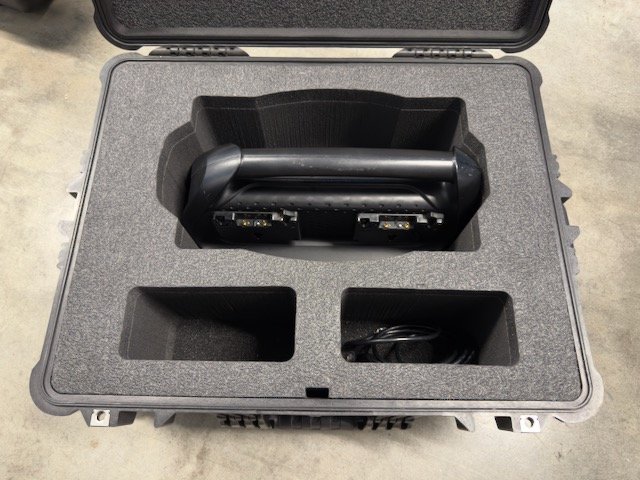
I have (2) Anton Bauer Performance Series Gold Mount Quad B attery chargers for sale. The chargers are in excellent condition. Each comes with a custom Pelican Case for shipping and storage. I've primarily used the case for storage with very little travel use. These, too, are in excellent condition. The case will accommodate the charger with four batteries attached and space for cables and other accessories. $ 750.00 for each Charger and Case. ($75.00 shipping for each). (2 available) Greg Lundsgaard glund88@gmail.com

 1 point
 -
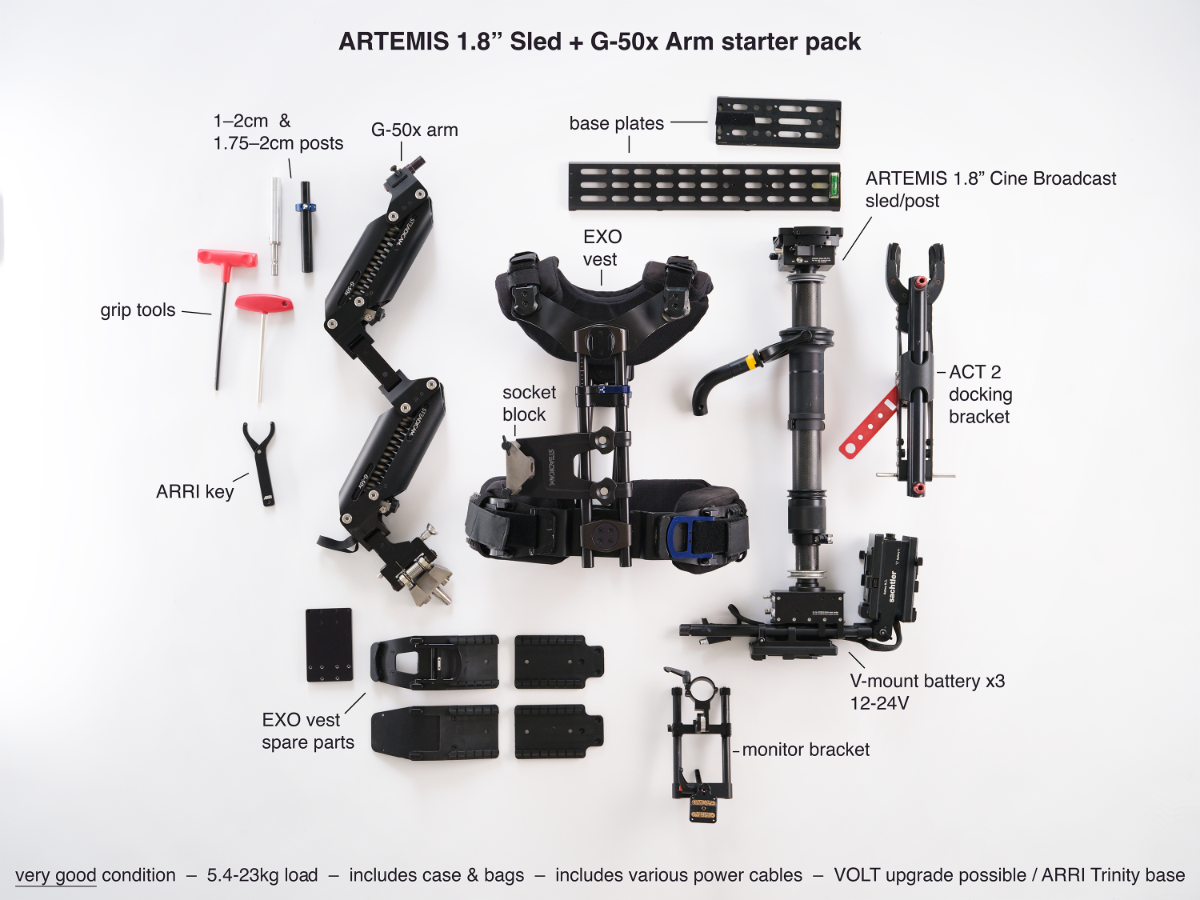
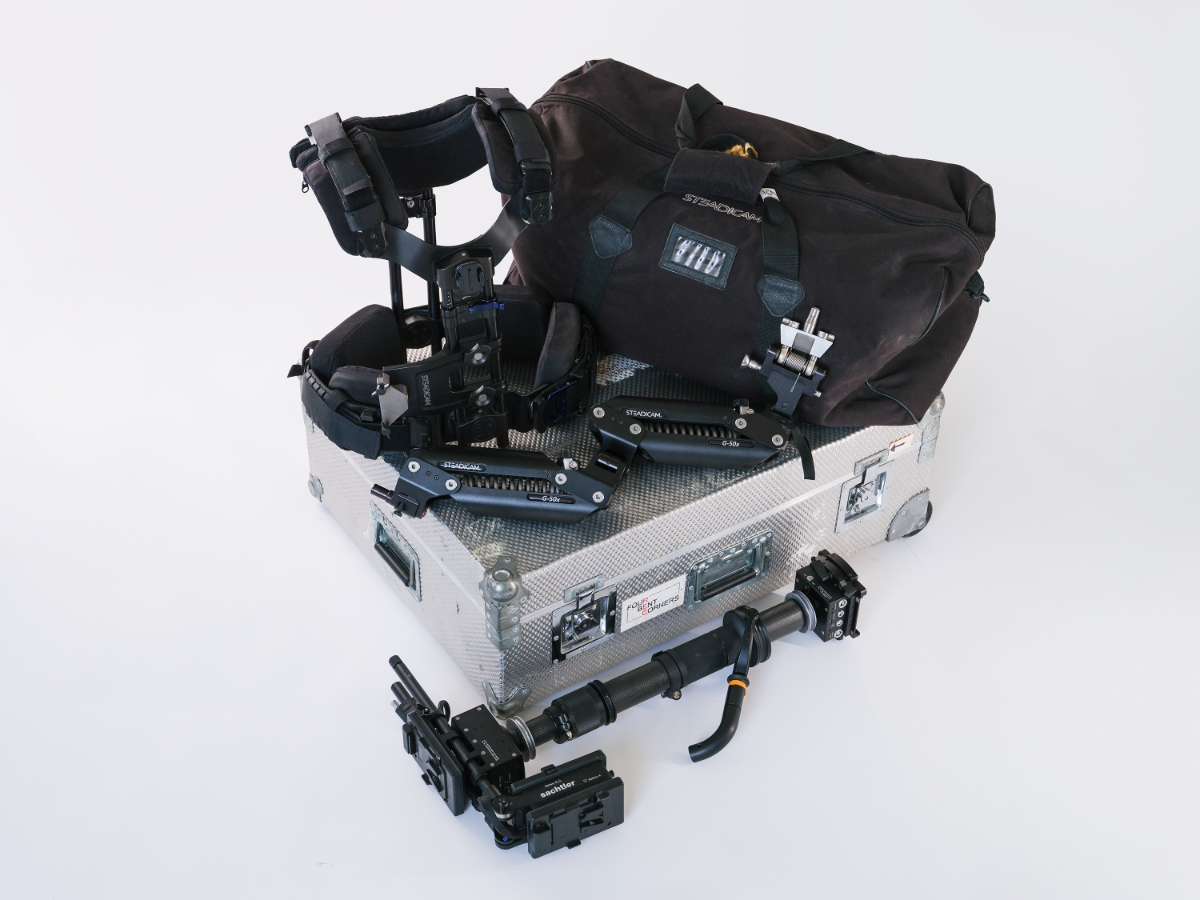
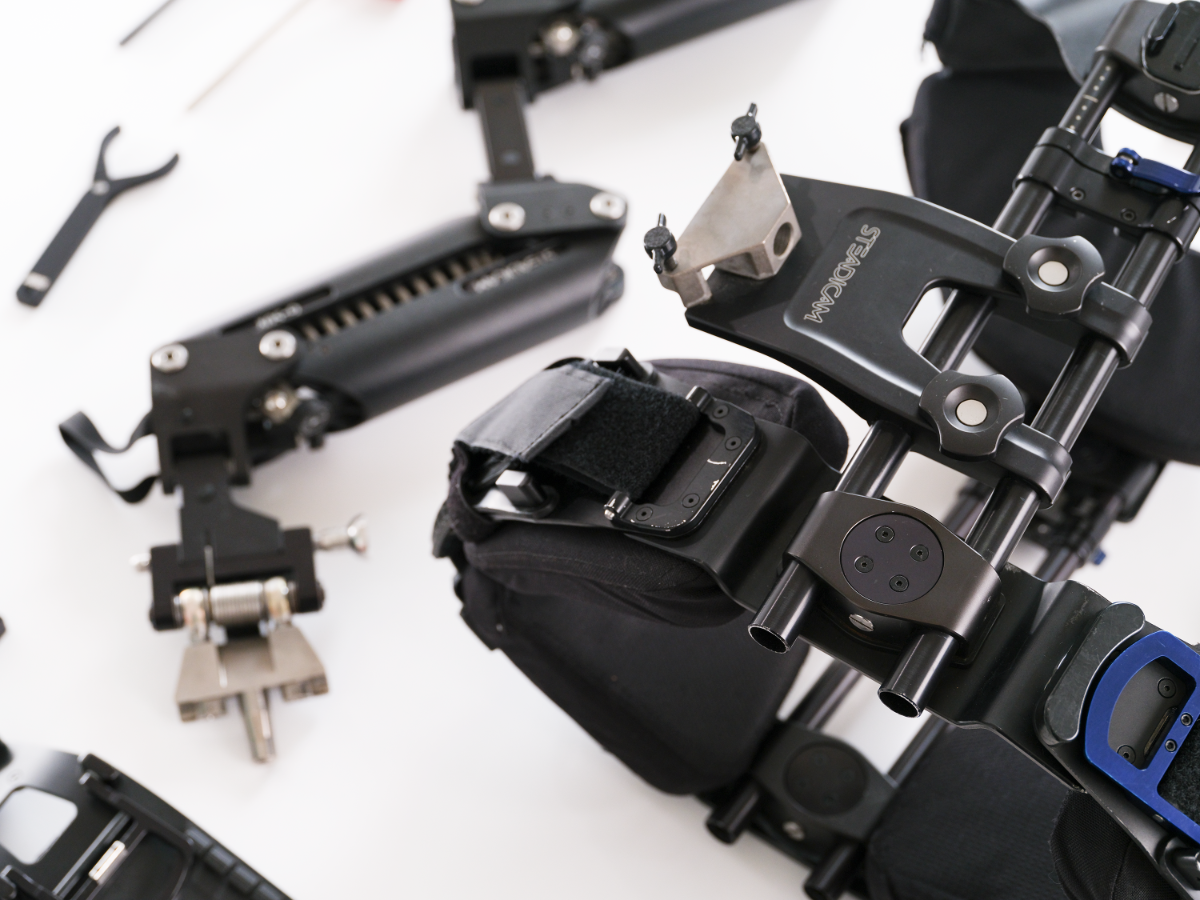
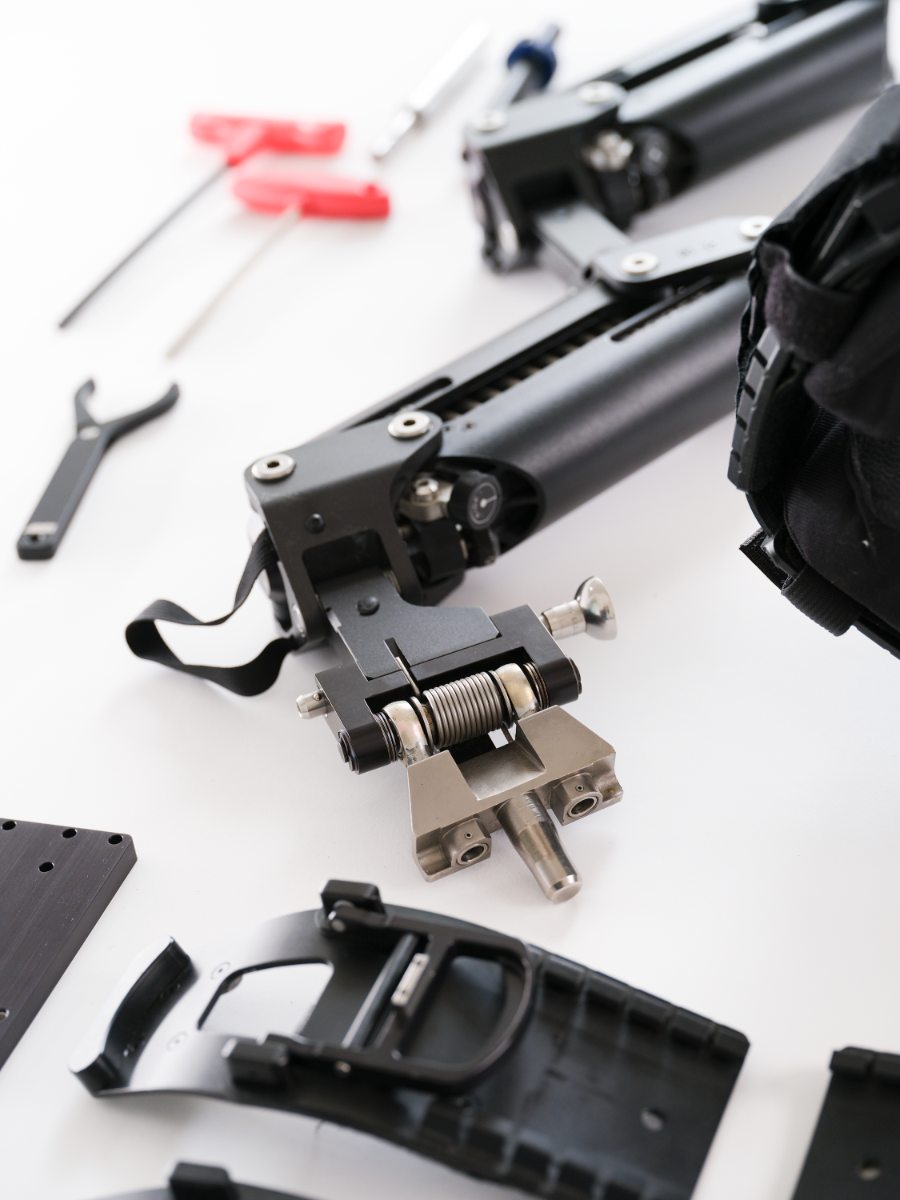
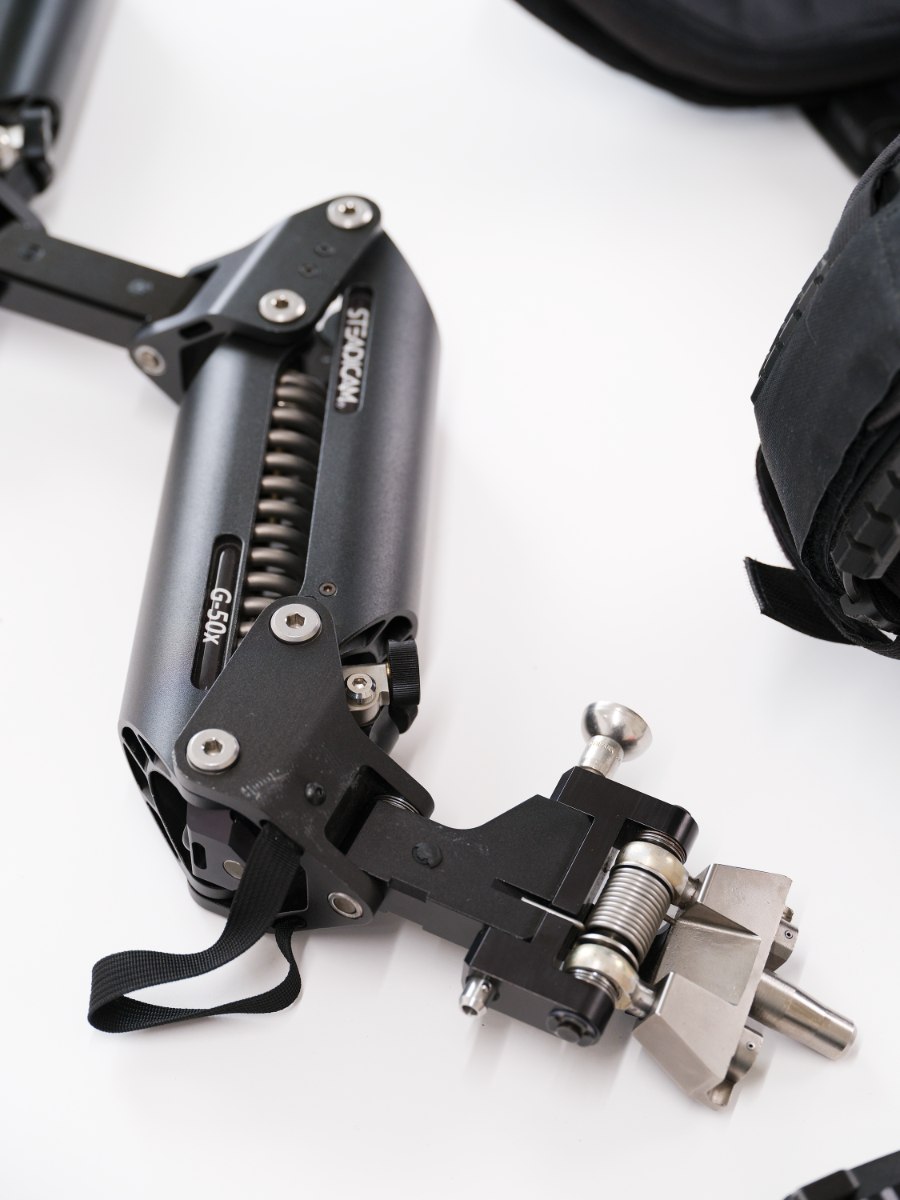
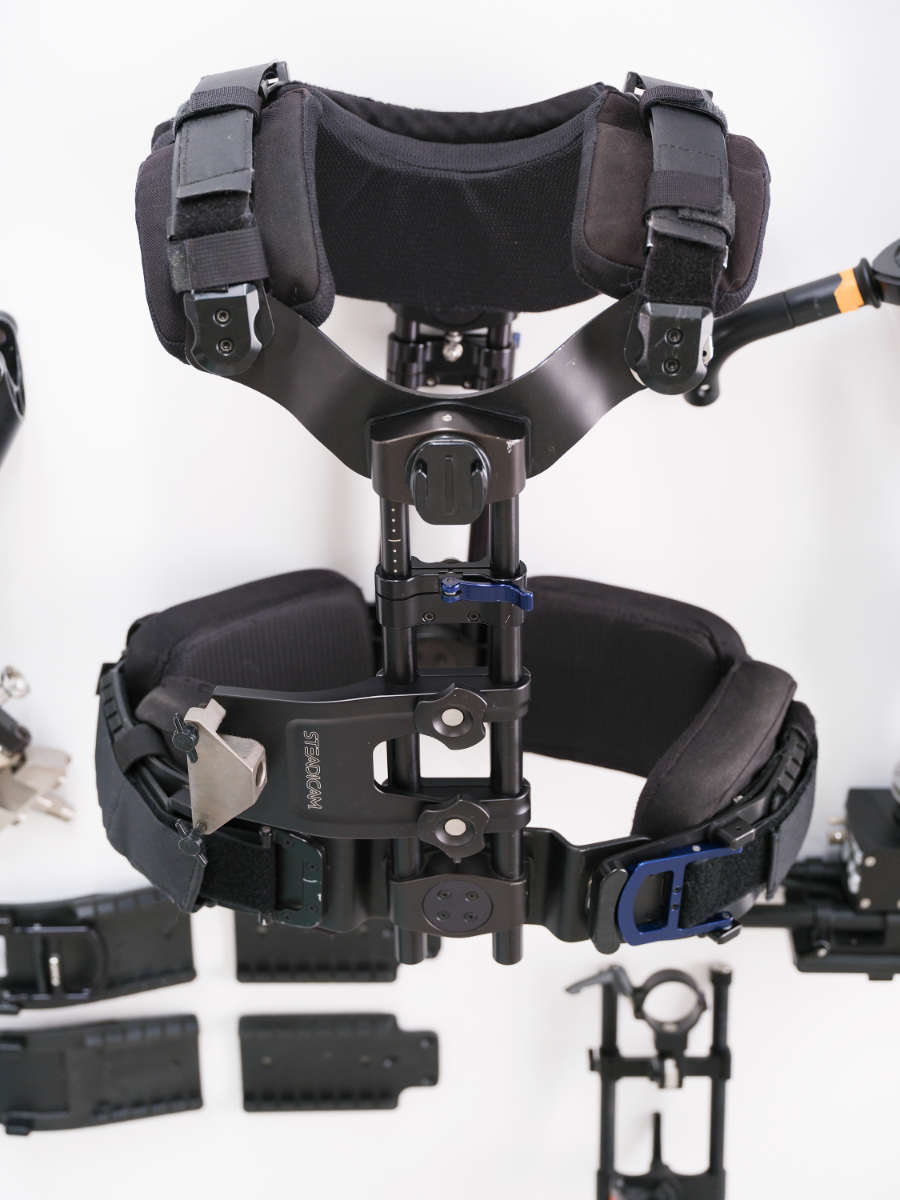
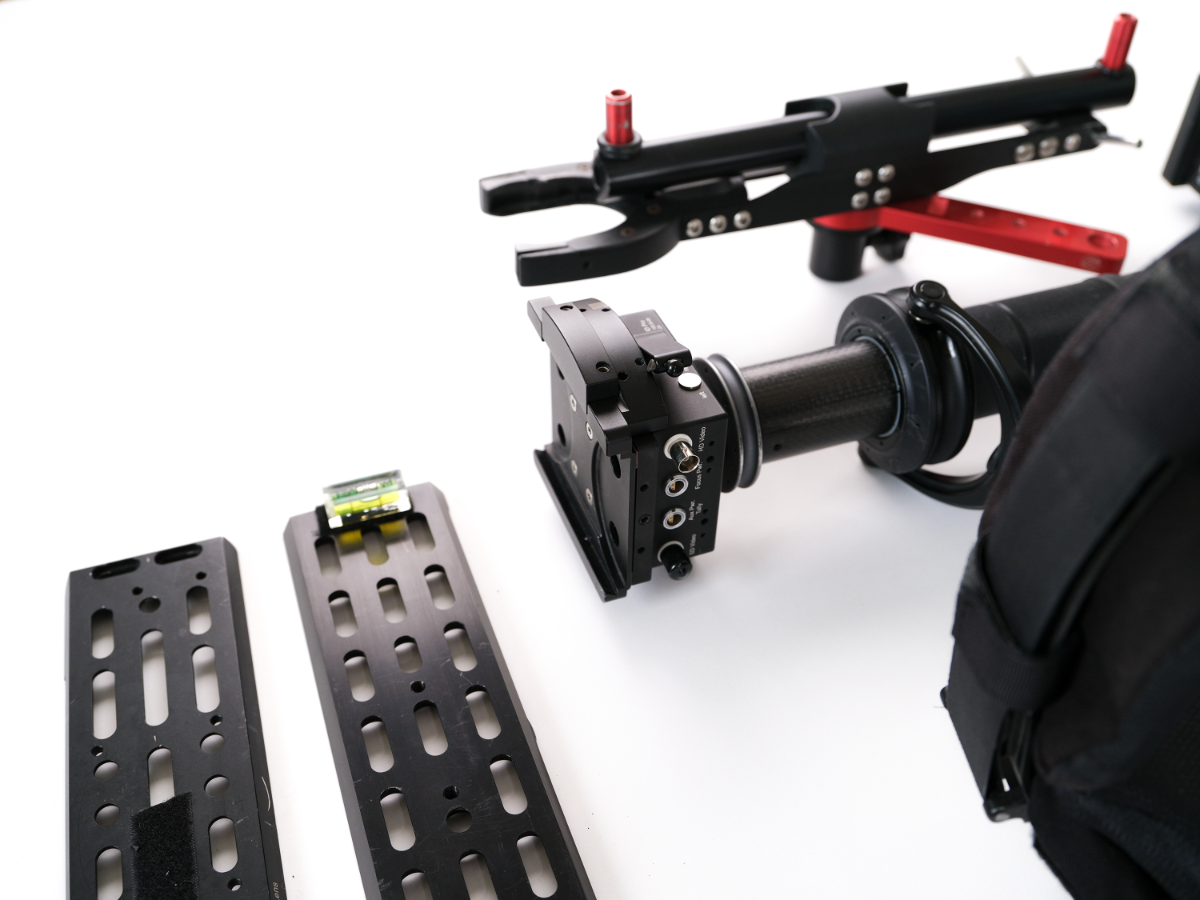
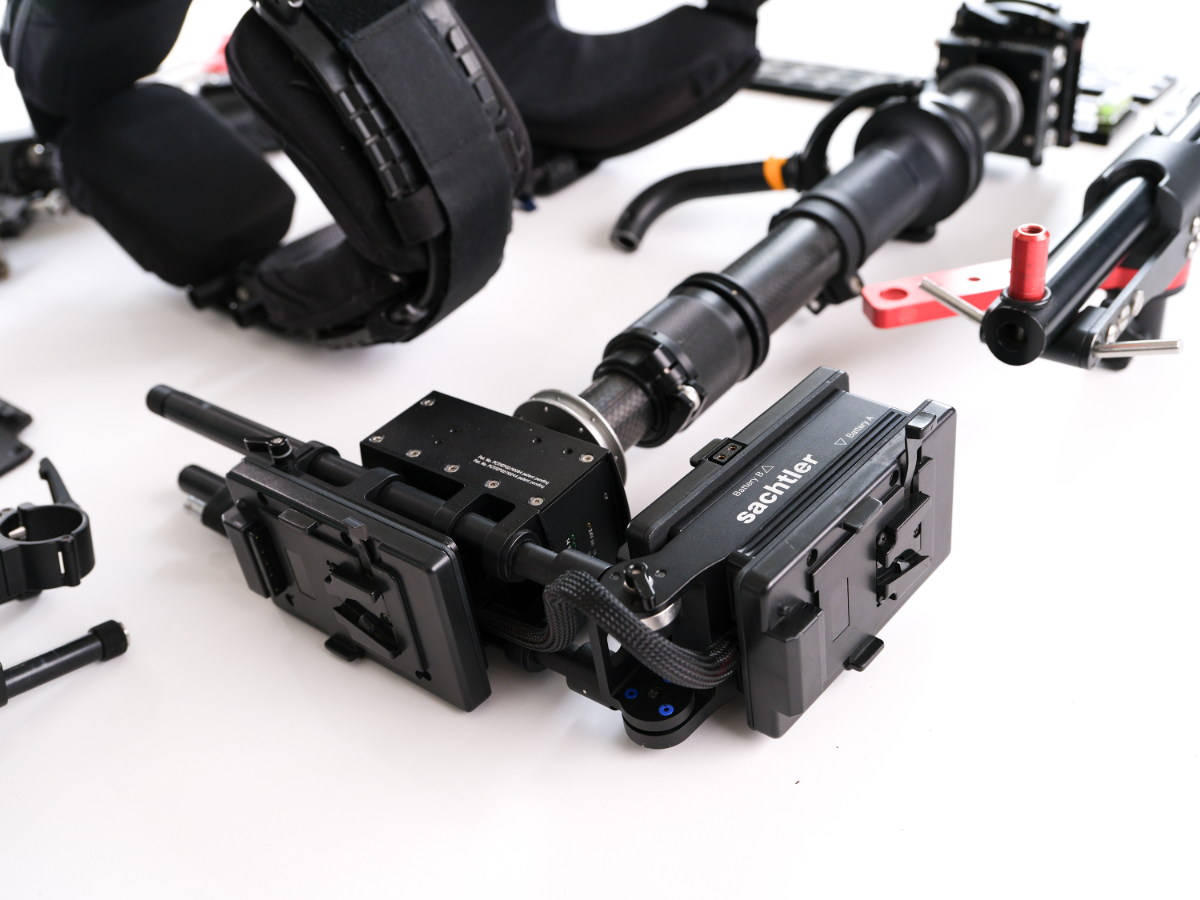
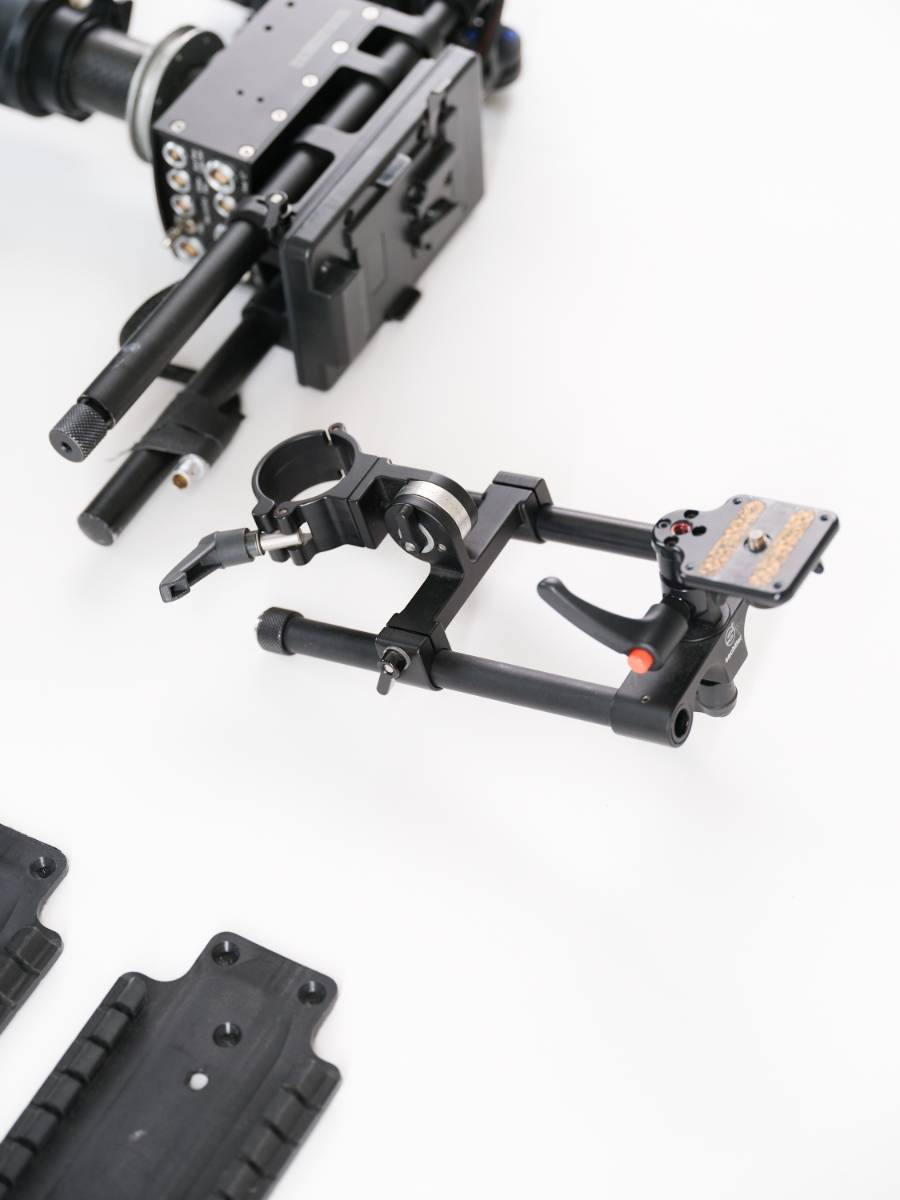
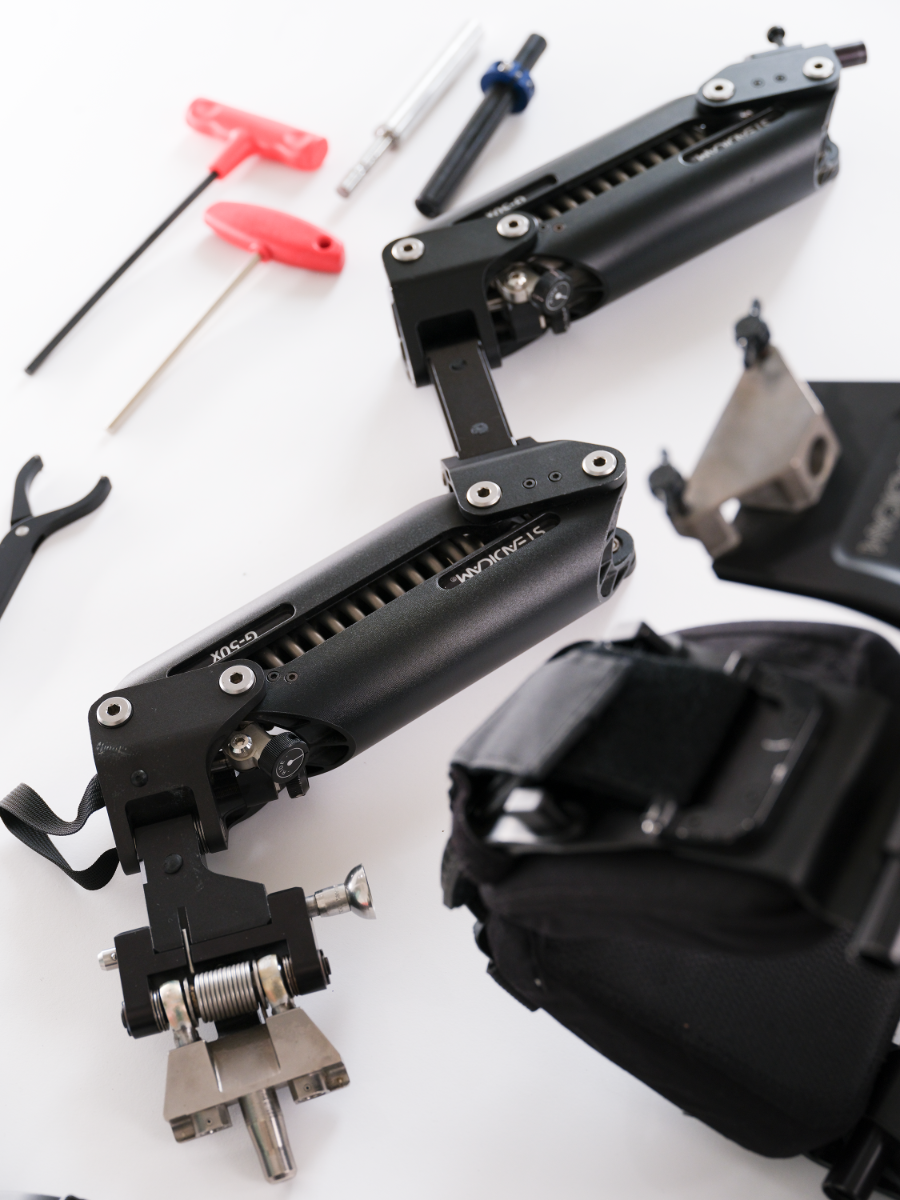
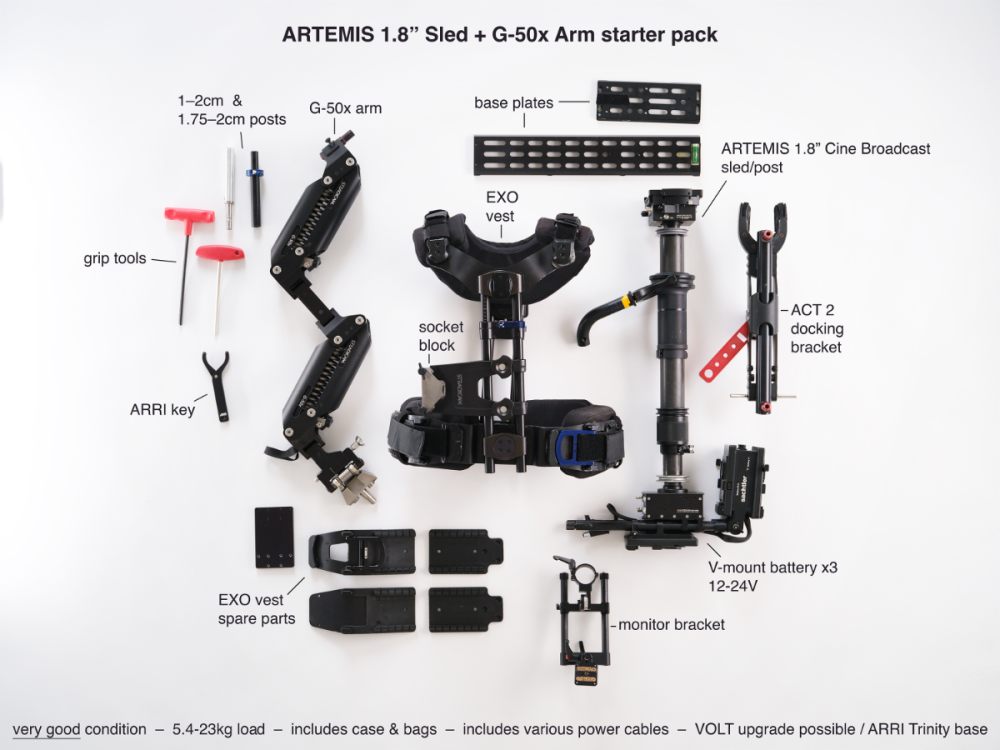
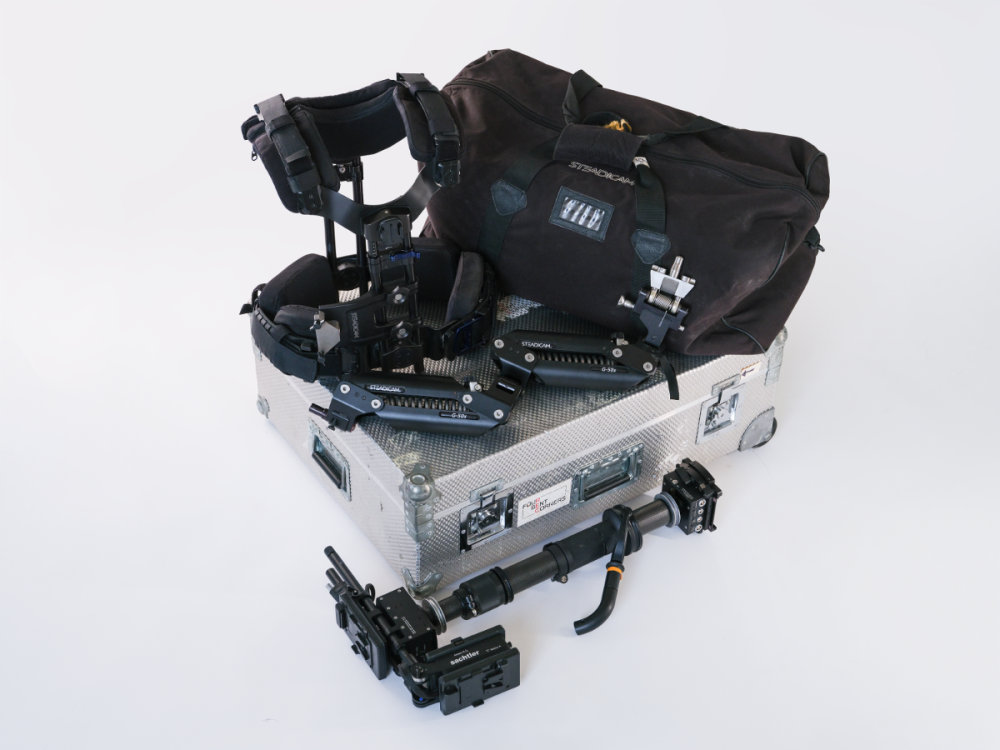
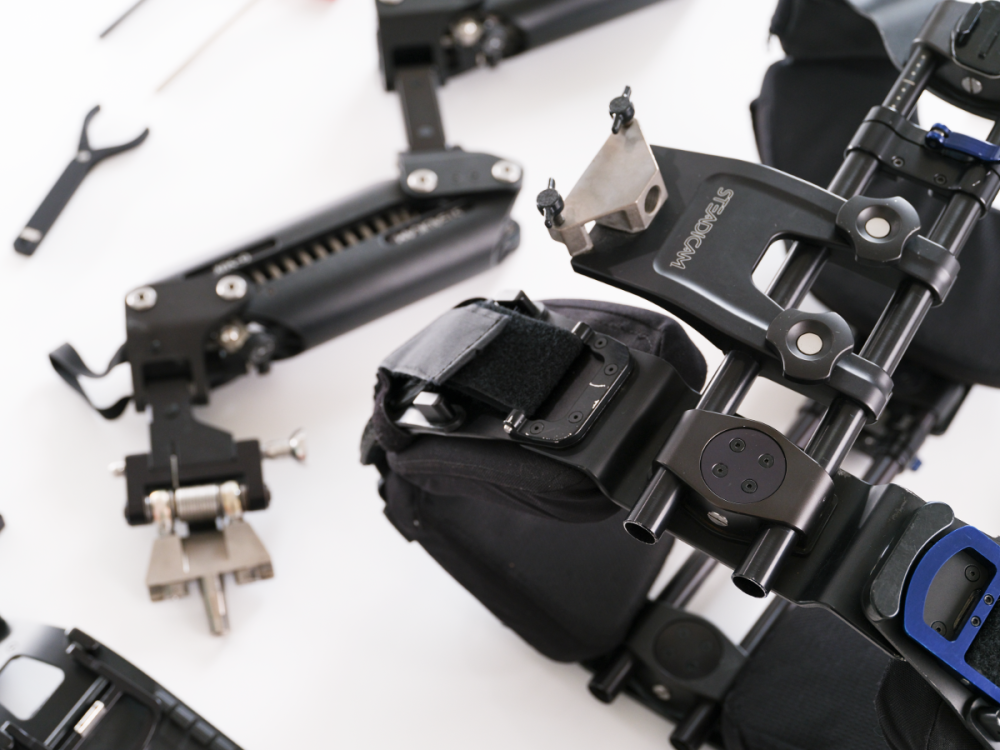
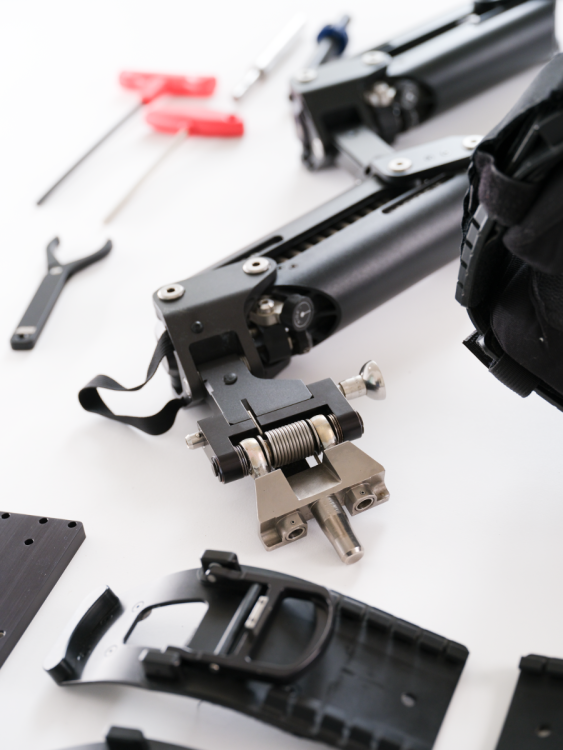
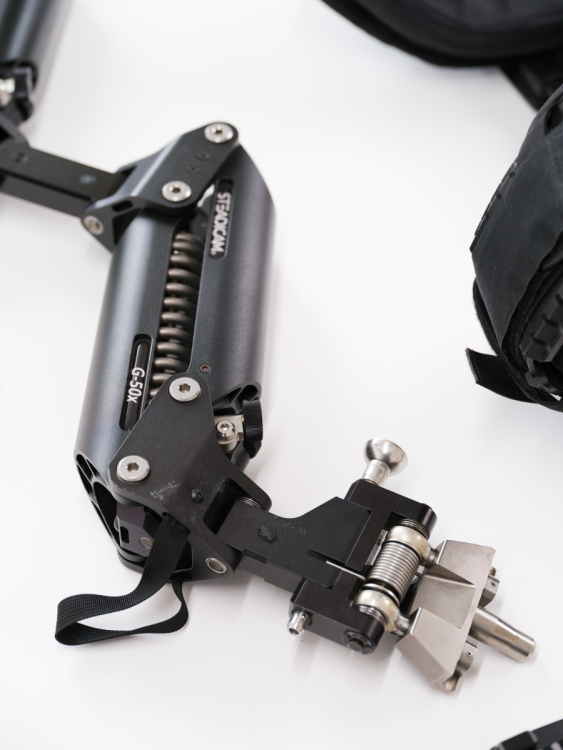
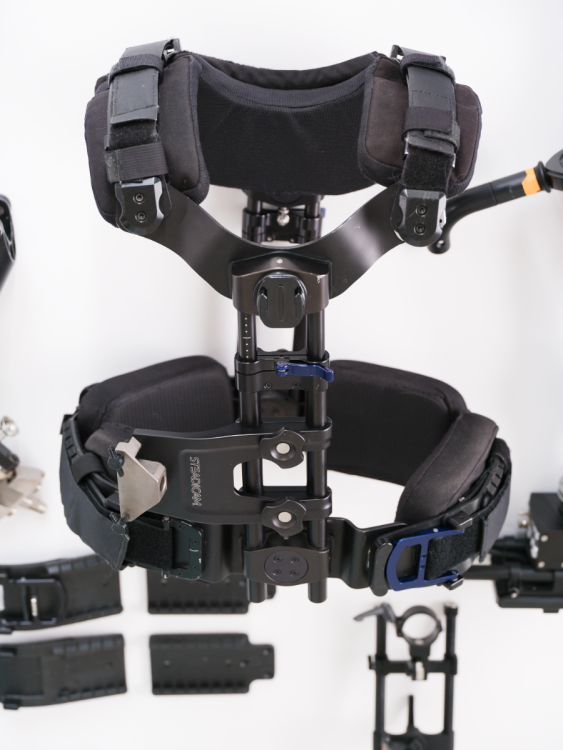
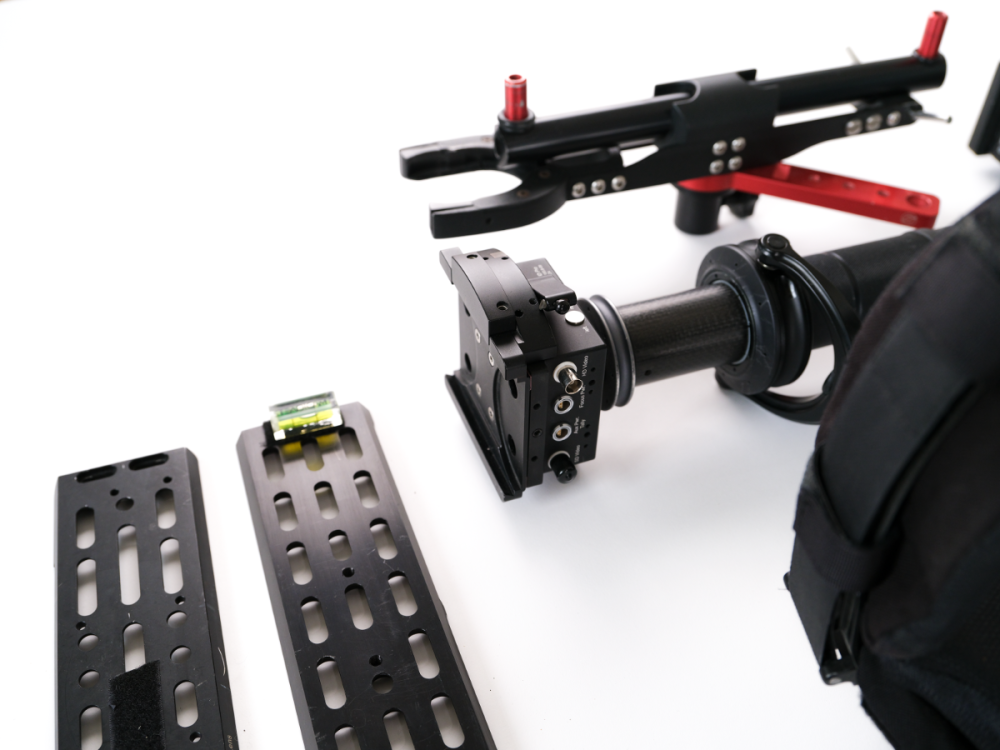
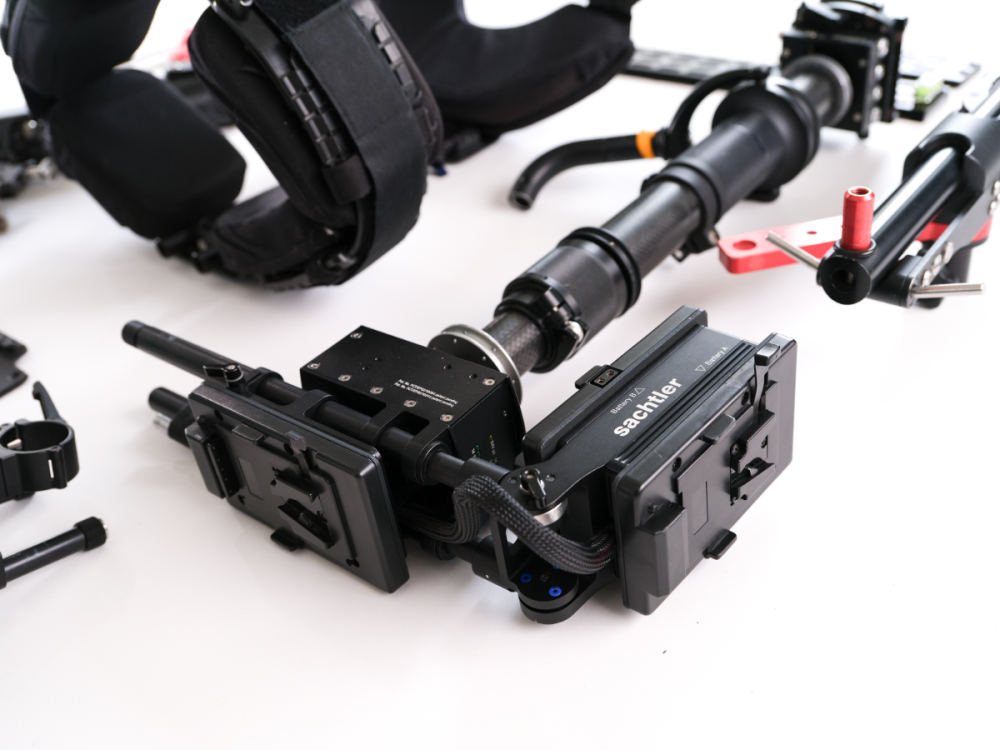
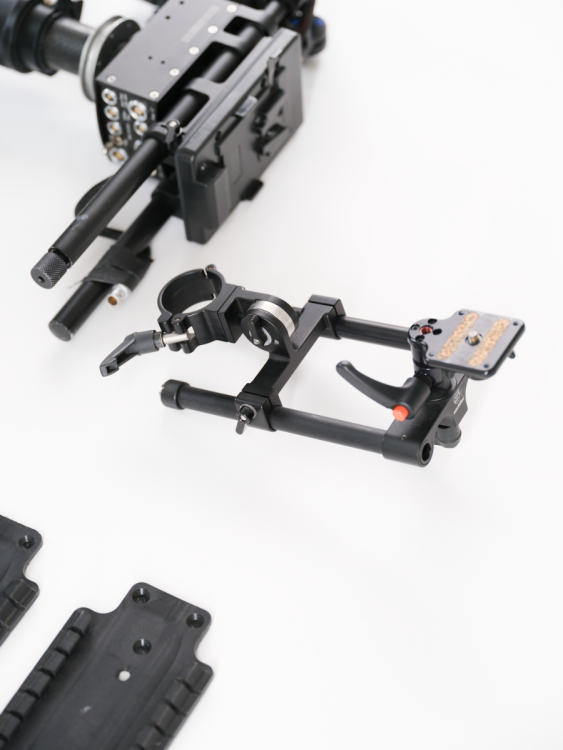
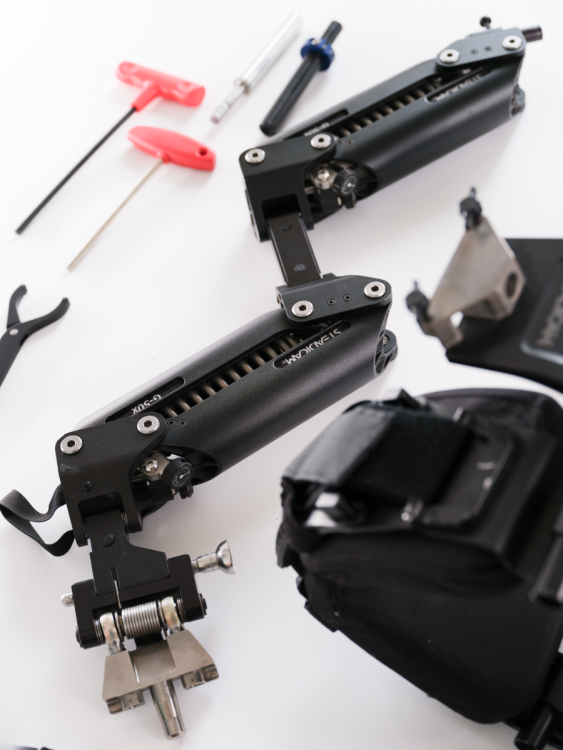
Hello Steadicam Operators, I’m parting with some incredible gear that has served me well over the years. The Steadicam G-50X Arm, ExoVest, and Sled are all in excellent condition, ready for a new owner who can put them to work on set. Over the past several years, I’ve transitioned more into a producer role, so I haven’t been in the camera department as much as I once was. Parting with this gear is bittersweet—it represents many great creative days on set. I know it will continue to serve someone very well. One notable selling point: the sled is the base for the Steadicam Trinity, and as confirmed by ARRI, it’s also upgradable to the 1.8 Volt post. The asking price for the complete package is $19,500 USD. If you’re looking for a high-quality rig that’s been well cared for, this is the one. Feel free to reach out with any questions or for more details! If you are interested, please reach out, and we can discuss the details further. Kind regards, Richard Included in the package: ARTEMIS 1.8" Cine HD Pro Sled (V-Mount, 12V/24V) G-50X Arm ExoVest Additional Accessories:Peter Abraham Zalex Longplate ACT 2 docking bracket 8" dovetail plate ExoVest Replacement Parts Telescopic Monitor bracket Custom milled G50X Pin to Mount Pro sled gimbal Cables: 12V XLR HiCap cam power cable (4pin Lemo 1S to 4pin XLR) 12V XLR power cable (3 pin Lemo OS - 4pin XLR) Cam Power / 24V ARRI 2pin Fischer cables Preston MDR Power 12V cables (6" and 2') RED EPIC Cam Power Cable (HiCap, 4pin Lemo 1S - 4pin Lemo) RED Cam Power Cable (HiCap, 4pin Lemo 1S -> 6pin Lemo B2) Cam Power cable (24V Panavision 3pin Lemo S) Case: Robust build, originally $800
 1 point
 -
Twenty-three years. Dry. Works best also because the oil film inside the bearing attracts and collects particulate matter which leads to wear and tear. Whatever benefits, however minute, might be achieved by some small amount of a lube, are far outweighed by the drag of fluid in cold temperatures and the collection of solids inside the bearing. Just my .02 from my 23.1 point